
Dive into the captivating universe of tabletop games where strategy meets creativity. Discover the rich history, genres, and the modern digital crossover with platforms like ih777 Brasil: cassino online com bônus de cadastro.
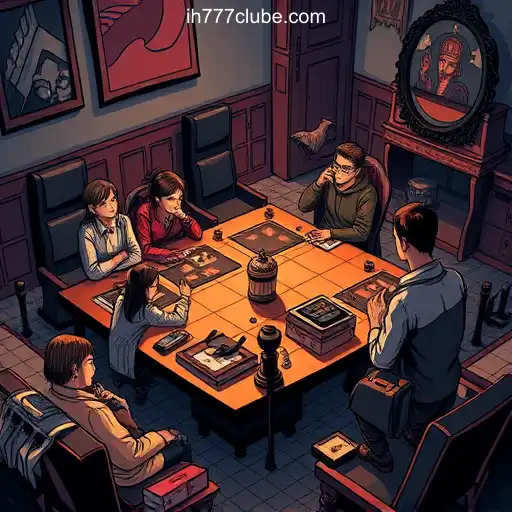
Exploring the Fascinating World of Tabletop Games
The world of tabletop games is vast and diverse, offering players an opportunity to engage in a wide range of activities that challenge the mind, ignite imagination, and foster social interaction. Whether it's a strategic board game, an intricate role-playing game (RPG), or an intense card game, tabletop games have been a source of entertainment and camaraderie for centuries. Let's delve into this captivating universe and explore how tabletop games have evolved over time.
The Historical Journey of Tabletop Games
Tabletop games have a rich history that dates back thousands of years. From the ancient game of Senet in ancient Egypt to the strategic prowess of Xiangqi and Go in Asia, these games have always held cultural significance. Chess, often regarded as the king of strategy games, emerged in India around the 6th century and spread across the world, evolving into various forms.
Fast forward to the 20th century, the introduction of games like Monopoly and Clue brought tabletop gaming into mainstream popularity. These games not only provided entertainment but also mirrored the economic and social landscapes of their times. As society changed, so did the themes and complexity of tabletop games, leading to the modern era of complex and engaging games we enjoy today.
Genres and Key Elements of Tabletop Games
Tabletop games can be classified into several genres, each offering distinct experiences:
Board Games
Board games are perhaps the most familiar form of tabletop games. They range from classic games like Monopoly and Scrabble to modern favorites such as Catan and Ticket to Ride. These games often involve careful planning, resource management, and competitive interaction.
Role-Playing Games (RPGs)
RPGs like Dungeons & Dragons allow players to embark on epic adventures, crafting their own stories and characters. These games emphasize storytelling, creativity, and cooperation, making them ideal for players who enjoy immersive worlds and intricate plots.
Card Games
With games ranging from traditional Poker to collectible card games like Magic: The Gathering, card-based tabletop games offer a blend of luck, skill, and strategy. Card games are portable and versatile, making them a popular choice for casual and competitive gamers alike.
Miniature Wargames
These involve strategic army battles represented with miniature models on detailed terrains. Games like Warhammer require tactical prowess and resource management as players simulate war scenarios.
Social Interaction and Community Building
One of the core appeals of tabletop games is the social interaction they foster. Unlike digital games, which can be played alone, tabletop games require players to come together, creating a shared experience. This social setting helps build strong communities and friendships, often transcending personal differences through the shared love of gaming.
Gaming conventions worldwide, such as Gen Con and Essen Spiel, attract enthusiasts eager to explore new games, connect with other players, and participate in tournaments. These events highlight the inclusive nature of tabletop gaming, welcoming players of all skill levels and backgrounds.
Digital Crossover: Bridging Traditional and Online Gaming
The rise of digital technology has influenced traditional tabletop gaming in numerous ways. Online platforms and digital versions of popular games have become prevalent, offering convenience and accessibility to a broader audience. For instance, online versions of classic board games allow friends to play together across distances.
A noteworthy intersection between tabletop gaming and digital platforms can be seen in the realm of online casinos. Platforms like ih777 Brasil: cassino online com bônus de cadastro provide players with a virtual tabletop gaming experience incorporating traditional casino elements with bonuses and online perks, delivering the thrill of gaming in a digital landscape.
These platforms bridge the gap between the tactile, social experience of physical tabletop games and the wide-reaching accessibility of online gaming, introducing new players to the joys of strategy and chance in a digital world.
Conclusion
Tabletop games continue to expand and evolve, maintaining their status as a vital form of entertainment and socialization. Their enduring journey through history, diverse genres, and modern adaptations signify an ever-growing popularity, proving that the love for tabletop games transcends time and technological changes.